

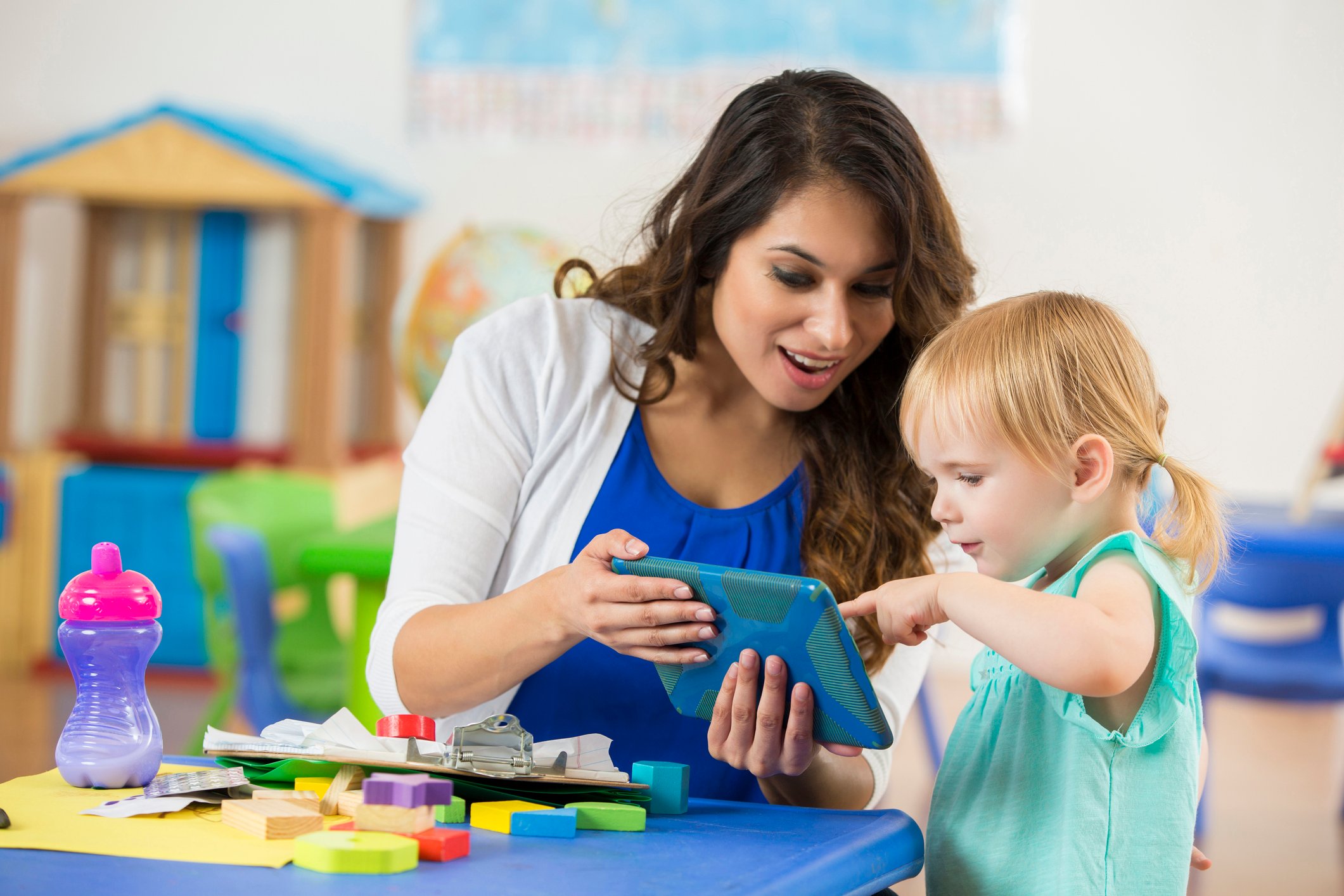
If you’re a parent whose child has been prescribed a speech device, you may have a lot of questions. How do you support your child when you’re still learning how the device works or how it can help? Supporting your child as they become familiar with a speech device is not just about learning new technology. It is an opportunity to support your child’s communication through language and open up new ways for them to express themselves and be understood.
What Is a Speech Device?
A speech device is a high-tech form of Augmentative and Alternative Communication, often called AAC. AAC includes all the ways a child might share ideas without talking, such as gestures, facial expressions, or pointing to pictures. A speech device is a specialized electronic tool that generates a voice for your child.
Children use speech devices for many reasons and at many stages. Some children use them alongside spoken language, while others rely on the device as their primary way to communicate.
The Benefits of Using a Speech Device
A speech device may look like a tablet or piece of technology, but for your child, it represents something much more meaningful. It is their voice.
Using a speech device can benefit your child while your child continues to learn to speak by:
- Giving them a reliable way to express themselves
- Creating more chances to communicate throughout the day
- Supporting language development
- Helping them participate at home, at school, and with peers
- Encouraging independence, choice-making, and self-advocacy
- Supporting learning and communication as they grow
Ways to Help Your Child With Their Speech Device
Making the most of your child’s speech device is not about pressing the right buttons or mastering every feature. It’s about helping your child connect with the people around them. The tips below can help you weave your child’s speech device into everyday life so they learn that their voice matters everywhere.
- Encourage self-expression: Approach each interaction as an opportunity for your child to share their thoughts, ideas, and feelings. This helps create meaningful opportunities for communication throughout the day.
- Speak the language: Model how the device works by using it yourself. If you say, “Time for lunch,” tap a word like “eat” or “lunch” on the device while you say it out loud. This helps your child see how words connect to meaning without any pressure to respond.
- Keep it simple: You do not need to find every word or build long sentences. Focus on one or two key words at a time. Simple models are easier for your child to understand and try on their own.
- Make the device part of everyday life: The speech device should be as accessible as shoes or a jacket. Keep it charged and nearby at the dinner table, the park, or the grocery store. Instead of setting aside special practice time, use the device during routines you already have, like bath time, snack time, or reading together.
- Personalize the device: Add words that matter to your family. Favorite foods, pet names, toys, and inside jokes make communication more motivating and meaningful for your child.
- Give your child time to respond: Children who use speech devices often need extra time to think about what they want to say and then find the right words. Pausing after you speak shows your child that you expect and value their response, even if the silence feels uncomfortable.
- Try not to take over: It can be tempting to finish a thought or grab the device to help. Allowing your child to work through the process on their own builds confidence and independence. Try to avoid physically guiding their hand to the buttons, as this can take away their sense of control and choice.
- Normalize mistakes: It’s okay if you or your child press the wrong word. Showing how to fix a mistake teaches flexibility and problem-solving. Communication is about connection, not getting everything right.
- Encourage exploration: When your child presses different buttons without a clear message, they are often learning where words are and how the device works. Respond to this exploration the same way you would respond to a toddler experimenting with sounds, with interest and encouragement.
- Respond to all communication attempts: Pointing, gestures, facial expressions, sounds, and device use all count as communication. If your child selects a word that doesn’t quite fit, respond as if it was meaningful and build on it. Focusing on the message rather than correcting the form helps communication stay positive.
- Celebrate effort, not just accuracy: Every attempt to communicate deserves recognition. When your child feels their efforts are appreciated, they are more likely to keep trying.
- Be patient with the process: Communication development is a long journey. Some days will feel easier than others, and there may be moments when your child feels frustrated or uninterested in the device. It’s okay to take a break and come back to it later.
How Pediatric Speech Therapy Supports Speech Devices
By working with a pediatric speech therapist, you’ll get direction, support, and clarity at each step while learning how to make the most of what your child’s speech device can offer. Therapy begins with an evaluation to understand your child’s strengths, communication needs, and daily routines.
From there, a speech therapist will:
- Adjust how the device is used to support your child’s current communication needs and goals
- Support overall communication skills, including speech, gestures, and language understanding
- Use play-based, child-centered approaches so learning feels fun and natural
- Coach caregivers so speech device use stays consistent across daily routines at home, school, and in the community
- Help your child practice using their speech device in real-life situations, such as meals, playtime, and social interactions
Reach Out to Gigi’s Kids
If you are in the West Bloomfield, MI, area and your child needs support using a speech device, call Gigi’s Kids (248) 735-8080 to schedule an evaluation. Together, we can support your child’s communication journey and help them share their voice with confidence.

Author
Amanda G. Tompkins, MS, CCC-SLP is the founder and owner of Gigi’s Kids Speech & Language Therapy and has been certified by the American Speech and Hearing Association (ASHA) since 2000. With over 25 years of pediatric experience, she has worked extensively in the Bloomfield Hills Schools Deaf and Hard of Hearing program and led a speech therapy department at a center affiliated with autism services. Amanda holds the ASHA Award for Continuing Education (ACE) and continues to share her expertise through trainings for preschools, parent groups, and educators.