


As your child grows, it is completely normal to notice they have their own unique way of saying things. Your child might say “wabbit” instead of “rabbit” or “pasghetti” instead of “spaghetti.” In most cases, these adorable mispronunciations are simply part of learning how to coordinate the tongue, lips, and jaw to produce more complex sounds.
But what if your child doesn’t grow out of those cute mispronunciations over time? Or what if you find that you are the only one who can understand what your child is saying?
In some cases, struggling to master certain sounds can be a sign of a speech sound disorder, and understanding the signs can help you determine whether your child needs additional support to learn to speak clearly.
What Is a Speech Sound Disorder?
A speech sound disorder simply means that your child is having a harder time than expected learning how to make specific sounds. Your child might be able to say some words perfectly while others remain difficult to pronounce. This happens because some sounds are physically easier to produce than others.
For many children, the brain knows exactly what it wants to say, but the message gets a bit lost between the brain and the mouth. This can lead to sounds being left out, swapped, or changed. Recognizing that these challenges are often a matter of coordination rather than a lack of effort can help in providing the right encouragement as your child learns to communicate.
Signs of a Speech Sound Disorder
Even though every child develops speech in their own unique way, if your child consistently displays the following patterns, they may be experiencing a speech sound disorder.
Needing a Constant Translator
By age three, most people should be able to understand about 75% of what your child says. By age four, your child should be understood almost all the time.
If you find yourself frequently translating for grandparents, teachers, or friends because your child’s speech lacks clarity, it may be a sign that your child needs extra support.
Feeling Frustrated During Conversation
When your child struggles to pronounce words clearly, it can lead to frustration and exhaustion. Between ages three and five, your child should be able to express ideas clearly in everyday interactions.
If your child regularly becomes upset, withdraws from conversation, or avoids speaking because others do not understand them, it may signal they are struggling with forming speech sounds.
Swapping Sounds for Easier Ones
By the time your child is three, they should have mastered simple sounds like the “em” sound in mama and the “puh” sound in pie. By the time they are four, they should have mastered more complex sounds, such as the “kuh” sound as in cup and the “guh” sound as in go.
If your child finds these advanced sounds too difficult and swaps them for simpler ones, such as saying “tup” instead of “cup,” they may be experiencing a sound disorder.
Leaving Out Chunks of Words
Beyond individual sounds, it is important to notice if your child is shortening the overall length of words. While toddlers often drop parts of words to make them easier to say, your child should be producing most beginning and ending sounds by age four.
If your child consistently leaves the ends off words, such as saying “ca” for “cat,” or regularly deletes entire syllables by saying “pooter” for “computer,” it may be a sign of a speech pattern that requires professional support.
Simple Ways to Support Clearer Speech at Home
Parents are often a child’s first and favorite teachers. Small shifts in daily conversations can make a meaningful difference, and there are also simple ways to encourage clearer speech during everyday routines.
- Be a speech mirror: When your child mispronounces a word, avoid correcting them directly or asking them to repeat it. Instead, model the correct version naturally. If your child says, “The bue boat,” you might respond, “Yes, it is a blue boat. A big blue boat.” This allows your child to hear the correct sound without pressure.
- Get face-to-face: Position yourself at your child’s level so your child can see how your mouth forms sounds. Visual cues help your child understand how speech movements work.
- Read together: Recite books aloud that use rhyme and repetition to highlight speech sounds in a fun and engaging way. Encourage your child’s participation by pausing to let them fill in a word.
- Celebrate effort: Focus on your child’s willingness to communicate rather than perfect pronunciation. When your child feels successful, they are more motivated to keep trying.
How Speech Therapy Helps Speech Sound Disorders
When home practice does not lead to clear progress or your child’s frustration continues to grow, an evaluation with a pediatric speech therapist can provide guidance and clarity. A thorough evaluation determines if therapy is appropriate and allows for the creation of an individualized, play-based plan. This plan focuses on helping your child produce sounds clearly and consistently in a fun and motivating way.
Therapy often includes structured repetition to build muscle memory so your child’s tongue and lips learn exactly where to move for each sound. A speech therapist may also use visual cues, such as hand gestures or a mirror, along with modeling and gentle prompting to help your child understand how sounds are formed.
Over time, therapy builds from single sounds to clear words and sentences, which improves overall clarity and reduces frustration. When your child can express ideas clearly, their confidence grows and communication becomes a more positive experience.
Reach Out to Gigi’s Kids for a Free Consultation
If you’re concerned that your child may have a speech sound disorder and you are in the West Bloomfield, MI, area, Gigi’s Kids Speech and Language Therapy can help. Call (248) 735-8080 or fill out our online contact form to schedule a free consultation. Professional support can help your child become a clear, confident communicator.
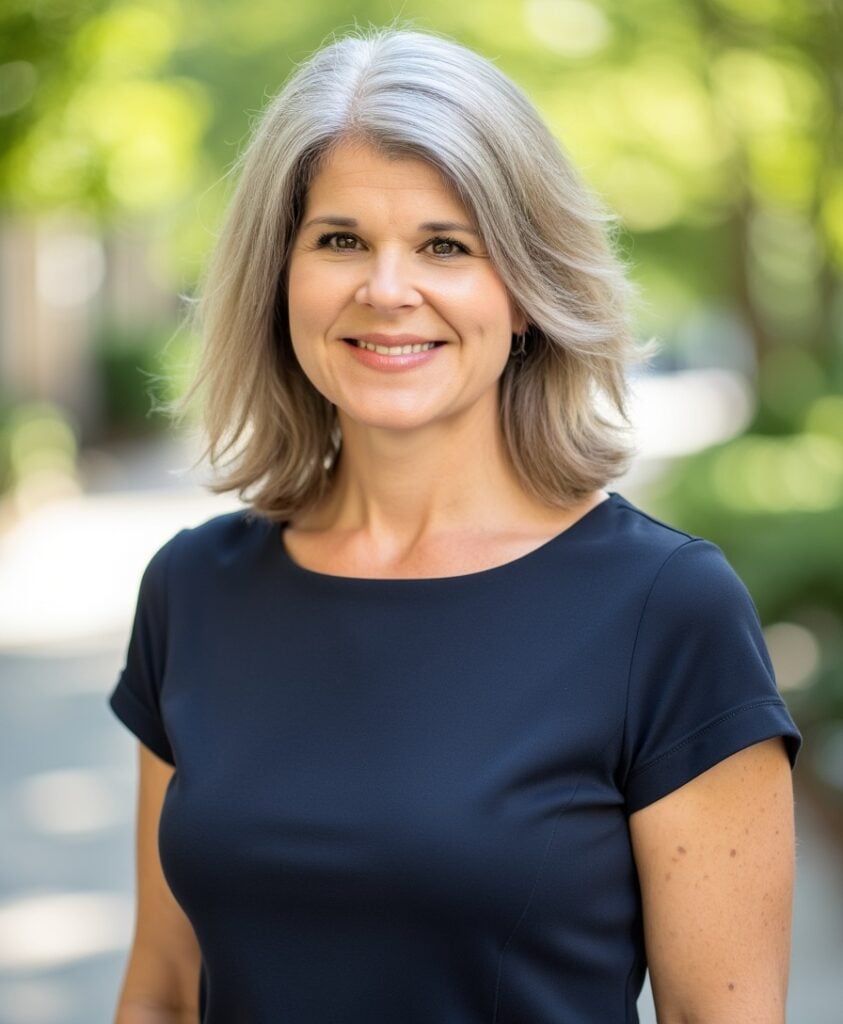
Author
Amanda G. Tompkins, MS, CCC-SLP is the founder and owner of Gigi’s Kids Speech & Language Therapy and has been certified by the American Speech and Hearing Association (ASHA) since 2000. With over 25 years of pediatric experience, she has worked extensively in the Bloomfield Hills Schools Deaf and Hard of Hearing program and led a speech therapy department at a center affiliated with autism services. Amanda holds the ASHA Award for Continuing Education (ACE) and continues to share her expertise through trainings for preschools, parent groups, and educators.